Our AI Services Collection
Explore all our latest insights, tutorials, and announcements on AI workflow and tech.

2026 Macro Trends: Agentic AI, Sovereign Data, and Sustainability
The Rise of Autonomous AgentsThe most significant technical shift in 2026 is the move from simple chatbots to "Agentic AI." Unlike their predecessors, these autonomous agents can execute complex, multi-step workflows—such as managing an entire supply chain or coordinating a global marketing launch—without constant human intervention. These models are increasingly multimodal, processing real-time live video and sensor data to make "physical world" decisions. This level of autonomy requires a new layer of "Sovereign AI" infrastructure. Large corporations are moving away from centralized public clouds in favor of regional, self-hosted models that comply with local data residency laws and industry-specific privacy standards. By hosting AI locally, businesses ensure that their proprietary data never leaves their jurisdiction, providing a secure foundation for enterprise-level automation that meets the strictest global regulations.The Environmental ImperativeAs AI usage scales, so does its environmental footprint. The massive energy and water consumption required to run thousands of GPUs 24/7 is no longer sustainable. In response, the industry is pivoting toward "Domain-Specific Models"—smaller, leaner AI that performs better than general models while using a fraction of the power. We are also seeing the adoption of neuromorphic chips and "Green AI" workloads that sync heavy processing tasks with the availability of renewable energy. For a business like Scalexa, sustainability is becoming a key part of the technical stack. Choosing energy-efficient AI solutions is not just an ethical choice; it is a long-term cost-saving strategy as carbon taxes and energy regulations become more stringent across international borders. The future of AI is not just about being smarter; it is about being more responsible. Future proofing: How Scalexa redefines SMB automation [interlink(95)] or the move to Green AI [interlink(116)].
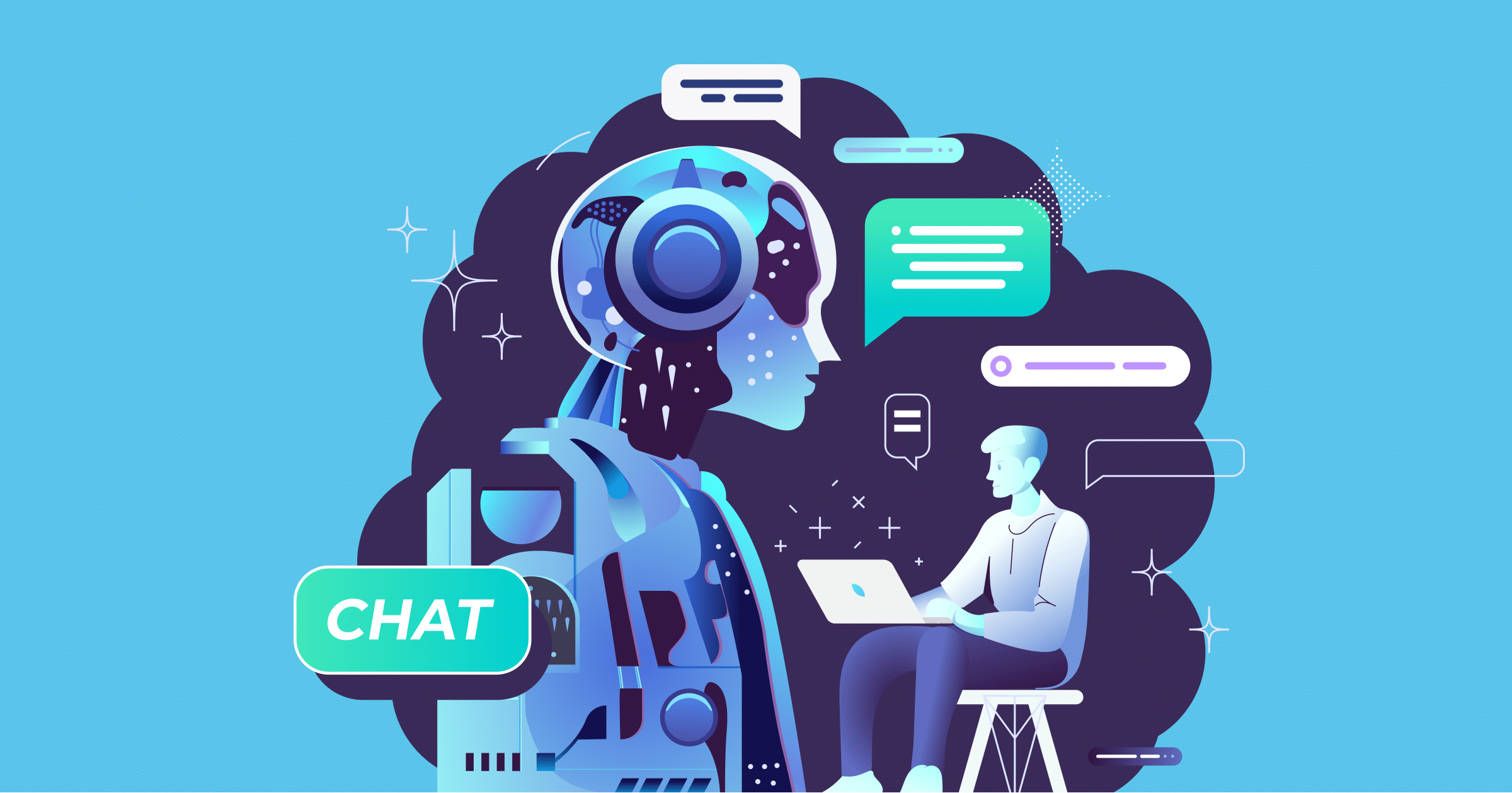
The Transformation of Work: Automation, Human-in-the-Loop, and AI Literacy
The No-Code Revolution for SMBsIn 2026, the barrier to enterprise-level efficiency has collapsed. Small and Medium Businesses (SMBs) are no longer dependent on massive dev teams to build custom logic; instead, they are leveraging no-code AI platforms like Zapier, Make, and Arahi AI to orchestrate complex workflows. By automating high-impact, repetitive tasks such as multi-channel invoicing, intelligent lead routing, and initial customer support triage, businesses can redirect their human capital toward high-value strategy. However, as automation becomes ubiquitous, the danger of "blind automation" grows. Leadership must implement Human-in-the-Loop (HITL) frameworks where AI handles low-consequence data processing, but humans remain the final signatories on high-stakes financial decisions or sensitive data handling. This prevents costly errors, such as automated refund loops or unintended data exposure, which can cripple a growing brand''s reputation.Addressing Shadow AI and the Skills GapA rising corporate risk in 2026 is "Shadow AI"—employees using unauthorized personal AI tools to fill gaps left by inadequate company software. This introduces massive compliance vulnerabilities and data leaks that can only be mitigated by providing secure, enterprise-grade AI environments. Beyond the tools themselves, the ultimate competitive advantage now lies in "AI Literacy." The most successful organizations are those that don''t just buy AI, but hire and train AI-capable teams who understand how to prompt, verify, and audit machine outputs. In this new economy, the ability to collaborate with non-human agents is the most sought-after skillset in the global hiring market, transforming HR from a talent-acquisition role into a technical-readiness department. Scale Smarter: How Scalexa redefines SMB automation [interlink(95)] or architecting efficiency with Python [interlink(14)].
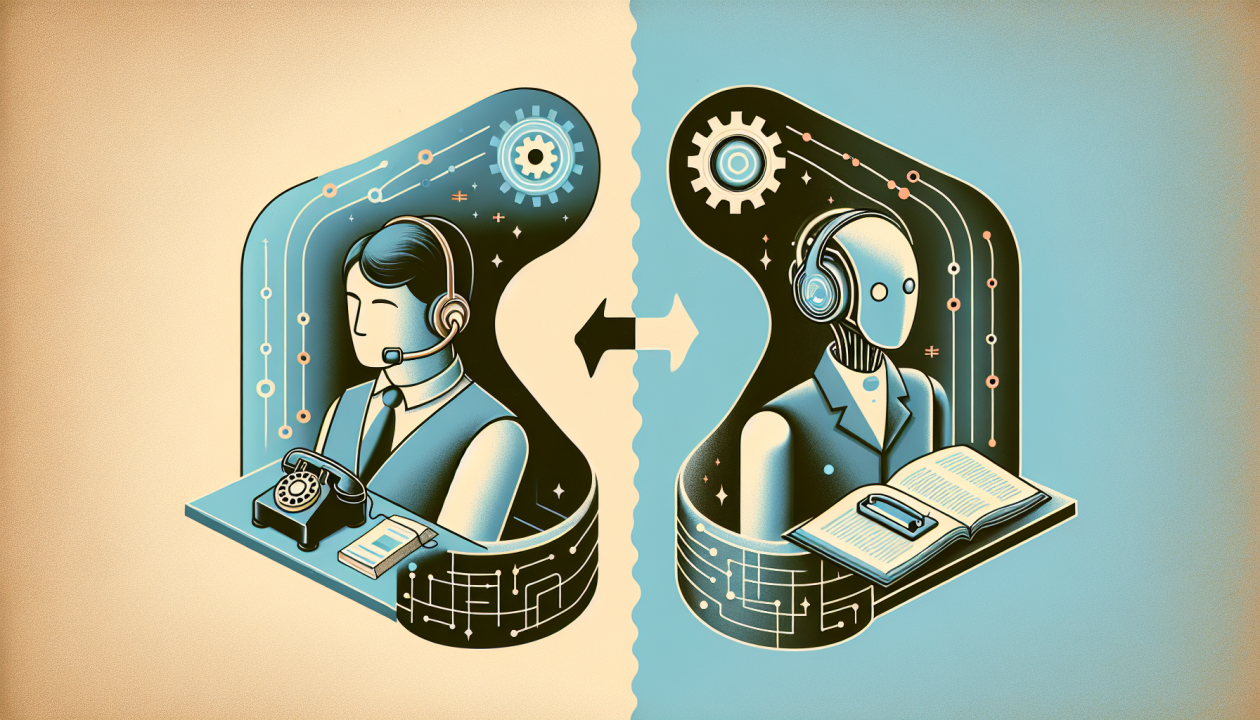
The AI Transition: Strategic Consulting for Modern Enterprise Evolution
Navigating the AI Implementation Roadmap Moving a business into the AI era requires more than just buying software; it requires a comprehensive AI Strategy. For established e-commerce players, the challenge lies in integrating AI into legacy systems without disrupting current revenue streams. Professional AI consulting focuses on identifying high-impact use cases-such as predictive inventory management or automated logistics-and creating a technical roadmap for implementation. This strategic approach ensures that your AI investments are aligned with your long-term business goals and provide a measurable Return on Investment (ROI). Building a Future-Proof Culture A successful AI transition is as much about people and processes as it is about code. Strategy consulting helps bridge the gap between technical potential and organizational reality, ensuring your team is equipped to work alongside intelligent systems. By focusing on data readiness and infrastructure scalability, we help businesses transform from traditional models into AI-first powerhouses, ready to lead the next decade of industry growth. AI Roadmap: Leveraging private data for custom LLMs [interlink(13)] or deploying autonomous agents [interlink(103)].
24/7 Conversion: Deploying AI Chatbots for Support and Sales Excellence
Revolutionizing Customer Interactions Modern AI chatbots have evolved far beyond simple decision trees. Today's enterprise-grade bots utilize Natural Language Processing (NLP) to handle complex customer inquiries, process returns, and even close sales in real-time. For a business handling over 500,000 successful orders, an intelligent bot isn't just a convenience-it's a necessity for maintaining high satisfaction scores. These bots can access real-time inventory and shipping data to provide instant answers, reducing the burden on human support teams while simultaneously increasing the average order value through intelligent upselling and personalized recommendations. Scalable Sales Engines Implementing a sales-focused AI bot ensures that no lead is ever dropped. By qualifying prospects and handling initial queries instantly, these bots act as a force multiplier for your sales team. This technical implementation ensures that your business stays open 24/7, providing a premium, high-touch experience for every visitor regardless of time zone or traffic volume. Strategic Lead: Transition from chatbots to autonomous agents: [interlink(95)] or see our full AI strategy guide: [interlink(16)].

Architecting Efficiency: Integrating AI Workflows with Zapier, Make, and Python
The End of Manual Bottlenecks For growing brands, manual data entry is a silent killer of scalability. AI automation bridges the gap between systems using tools like Zapier and Make.com. [interlink(95)] A Connected Ecosystem By connecting your CRM and ERP through an AI-driven middle layer, you create a self-optimizing environment. [interlink(24)] Deep Dive: Discover the power of Custom LLMs: [interlink(13)] and why AI Strategy is your new roadmap: [interlink(16)]
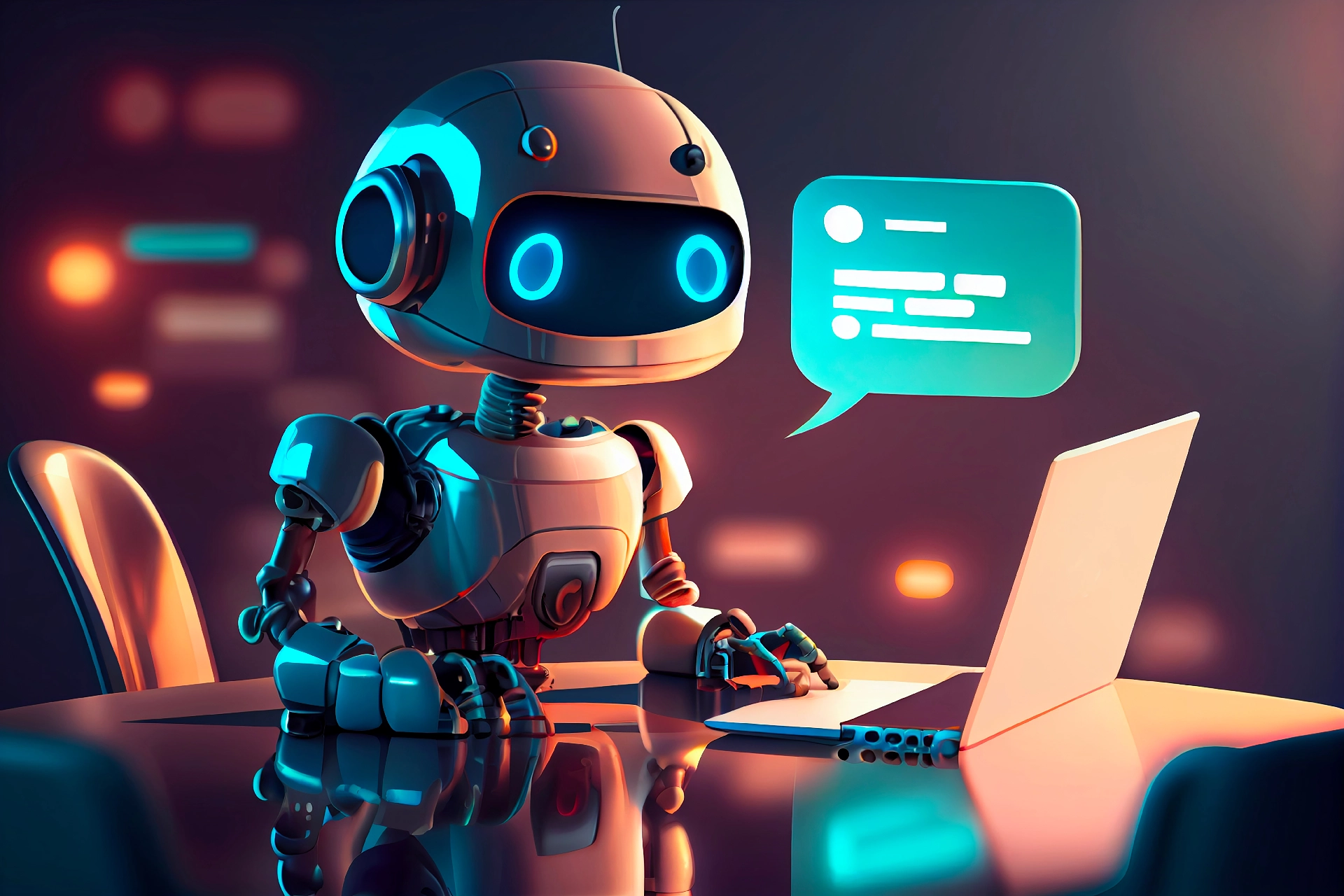
Leveraging Private Data: The Power of Custom LLM Training for Enterprises
Beyond General Purpose AI In high-volume e-commerce, off-the-shelf AI models often fall short. Custom LLM training allows your business to fine-tune models on internal product catalogs and proprietary data. [interlink(93)] Strategic Technical Advantage Training on private data transforms a chatbot into a knowledge engine. This move toward "Vertical AI" is how Scalexa scales operations without increasing overhead. [interlink(16)] 🚀 Ready to Automate? Check out our guide on AI Workflows: [interlink(14)] or learn about the 2026 AI Stack: [interlink(21)]